Using genetic modification to protect ourselves from dangerous species
 Printer-friendly version
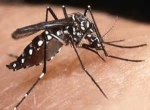 Our ancestors consistently looked for ways to eradicate apex predators who were a danger to their tribes by directly hunting humans and also by competing for our food sources. Today, many species of apex predators exist in controlled numbers in places we enjoy them, but rarely come into direct contact with them. To make our world safer, we've done almost too good a job as various species move closer to extinction with every successful poaching.
 This week, Bill Gates posted a chart comparing the top causes of deaths by animals with mosquitos as the top threat - even beating out humans killing humans by a quarter million incidents per year by a ratio greater than 7 to 5.
We've done such a good job of controlling our environment, the elephant kills as many humans per year as the lion and ten times as many as wolves - two species once capable of hunting our ancestors. The "friendly" hippo kills half as many as the "evil" crocodile, but both can't combine to match the tapeworm or roundworm, and four diseases offer much more threat than those - including rabies transmitted through man's best friend the dog. Even the snakes, responsible for 50,000 deaths per year, require 600 species around the globe to reach that number.
The idea that mosquitos are dangerous is not news, though it may take a chart like this to show the scale of mosquito-related deaths when compared to 8 billion humans killing each other through war, murder, and texting while driving. Mosquitoes reach this number through the transmission of nine diseases, including: malaria (600,000+ deaths), yellow fever (30,000 deaths), dengue fever (22,000+ deaths), and encephalitis (10,000-15,000 deaths).
While medicine continues to look for cures to these mosquito-born diseases, controlling mosquito populations is one of the key methods for limiting their spread. To do this, mankind is changing their method of eradicating dangerous animals. Instead of killing off a dangerous species using spears, arrows, or guns, the British company Oxitec is working with Brazil to release genetically modified mosquitos to reduce the population of the Aedes aegypti mosquito common in northeastern Brazil.
The new breed of mosquito has a lethal gene designed to keep it from surviving long enough to reproduce. While the males are kept alive with an antibiotic, once released into the wild and mated with a female, the modified males eventually die off and the offspring also dies off before they can mate. Current reports show a 90 per cent drop in Aedes aegypti populations where testing has occurred, proof there are at least short term gains possible with this type of gene modification.
Long term issues are unknown, causing the scientific community to voice concerns over trials in the wild without further testing. If mosquito populations can be controlled using this method, and plans are already in place for Panama with Florida considering the option, it makes sense we might continue to eradicate mosquito populations around the globe by using an identical or similar modification of other species.
Among the range of issues threatening mankind, we're constantly looking for methods to limit or eradicate them - to protect ourselves from our environment. By developing cleaner technologies, we can reduce cancer. By developing advanced space flight technique, we can protect ourselves from asteroids (and possibly develop the ability to mine them). By modifying rice, we can provide vitamin A to protect children all over the world.
Unfortunately, some advancements backfire and cause issues we couldn't foresee before widespread adoption. Will GMOsquitos be a cure or will we swap one issue for another? As pesky as mosquitos are in some place and as dangerous as they are in others, we should keep in mind they are also prey for other species and key pollinators to some plant species. At least this test is only impacting a single species, leaving other mosquito breeds - some of which do now bite - alone.
 Interested in the social impact of our future advancements, Daryl developed and built Regarding Tomorrow as a platform to share and discuss our collective hopes and fears of the future. Daryl's background is in education, including graduate studies in special needs and a masters in instructional technology from UVA's Curry School of Education. He has worked as a high school teacher and has over 10 years of university experience in the US and Canada.